
Maintaining your vehicle is essential for its longevity and performance, and one of the simplest but most important steps is checking its fluids. Among these, engine oil plays a vital role in keeping your car running smoothly. But did you know there are five other essential fluids you should regularly monitor?
This guide will walk you through all six fluids, their purposes, and how to ensure your car stays in optimal condition. By taking a few minutes to check your vehicle’s fluids, you can prevent costly repairs and enjoy a safer, smoother driving experience. Let’s dive into the six fluids you need to keep an eye on, starting with the most critical one: engine oil.
Why Checking Your Fluids is Crucial
Regularly checking your car’s fluids ensures:
- Optimal performance: Fluids keep your engine and other components running efficiently.
- Increased longevity: Proper lubrication and cooling reduce wear and tear on critical parts.
- Enhanced safety: Fluids like brake and power steering fluid contribute directly to safe driving.
- Fuel efficiency: Keeping fluids at the right levels can improve mileage.
The Six Fluids You Need to Check
1. Engine Oil
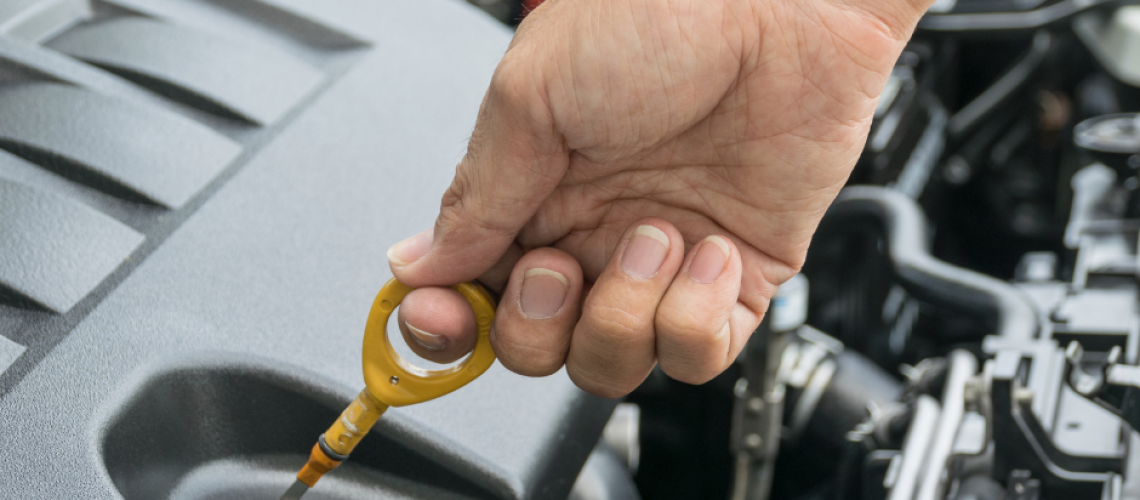
Engine oil is the lifeblood of your vehicle. It lubricates the engine’s moving parts, reduces friction, and prevents overheating.
New engine oil is amber or yellow, but it turns dark brown or black when it’s time for a change.
When to check:
- Every month or before long trips.
- During regular oil changes (every 4,800 km for conventional oil or 8,000 km for synthetic oil).
How to check:
- Ensure the car is parked on a level surface and the engine is cool.
- Remove the dipstick, wipe it clean, reinsert it, and pull it out again.
- Check the oil level and colour. Top up if needed with the type specified in your owner’s manual.
2. Coolant (Antifreeze)
Coolant regulates your engine’s temperature, preventing it from overheating in the summer and freezing in the winter.
It also protects against corrosion and deposits that can reduce cooling efficiency.
Coolant colours:
- Blue, green, yellow, red, pink, or purple, depending on the vehicle and manufacturer.
Tips:
- Never mix coolant types. Always use the one recommended in your owner’s manual.
- Check coolant levels when the engine is cold to avoid burns.
3. Power Steering Fluid
Power steering fluid makes turning your steering wheel smooth and easy.
If you’ve ever driven an older car without power steering, you know how essential this fluid is for effortless manoeuvrability.
Signs of low power steering fluid:
- Difficulty turning the wheel.
- Whining or groaning noises when steering.
How to check:
- Locate the reservoir under the hood (usually labelled).
- Ensure the fluid is between the minimum and maximum markers.
4. Brake Fluid
Brake fluid is critical for your car’s braking system. It transfers the force from your foot on the pedal to the brake pads, slowing or stopping the vehicle.
When to check:
- During routine maintenance or if the brake pedal feels spongy.
Brake fluid colour:
- New fluid is yellowish; it darkens with age.
Caution:
- Brake fluid absorbs moisture over time, which can reduce braking efficiency. Replace it as recommended by your vehicle manufacturer.
5. Transmission Fluid
Transmission fluid lubricates and cools the components in your car’s transmission, ensuring smooth gear shifts.
Signs of low transmission fluid:
- Sluggish acceleration.
- High RPMs without corresponding speed.
Transmission fluid colour:
- It should be a translucent amber or red colour. If it’s dark or smells burnt, it’s time for a replacement.
Note:
- Check your vehicle’s manual for the proper method to check transmission fluid, as some vehicles require the engine to be running.
6. Windshield Washer Fluid
Though often overlooked, windshield washer fluid is vital for clear visibility, especially in bad weather.
How to refill:
- Locate the washer fluid reservoir under the hood.
- Pour fluid into the reservoir until full.
- Close the cap securely.
Washer fluid colours:
- Usually blue, green, or orange.
When Should You Check These Fluids?
A good rule of thumb is to check these fluids during every oil change. For engine oil, aim for every 4,800 km with regular oil or 8,000 km with synthetic oil.
Make a schedule or ask your mechanic to inspect these fluids during routine maintenance.
Benefits of Regular Fluid Checks
By staying on top of fluid maintenance, you’ll enjoy:
- Better fuel economy: A well-lubricated engine and transmission use less fuel.
- Reduced wear and tear: Fluids prevent corrosion, overheating, and friction-related damage.
- Safer driving: Brake and power steering fluids ensure optimal control over your vehicle.
Trust Midas Robertson for Your Fluid Maintenance Needs
At Midas Robertson, we’re committed to keeping your vehicle in top condition.
Whether you need to top up engine oil, replace brake fluid, or stock up on windshield washer fluid, we have everything you need.
Our expert team is here to help with product recommendations and advice, ensuring your car gets the care it deserves.
Final Thoughts
Regularly checking your car’s fluids, especially engine oil, is one of the simplest ways to maintain its performance and longevity.
By ensuring these six essential fluids are at optimal levels, you’ll enjoy safer, more efficient driving and avoid costly repairs down the line.
Visit Midas Robertson today to explore our wide range of automotive products and let us help you keep your car running like new!
Please follow us on social media to stay up to date with our latest sizzling discounts and promotional offers.
(There are currently there are over 300 franchised outlets across Southern Africa, including Botswana, Lesotho, Mozambique, Namibia, Swaziland, and Zimbabwe.)


